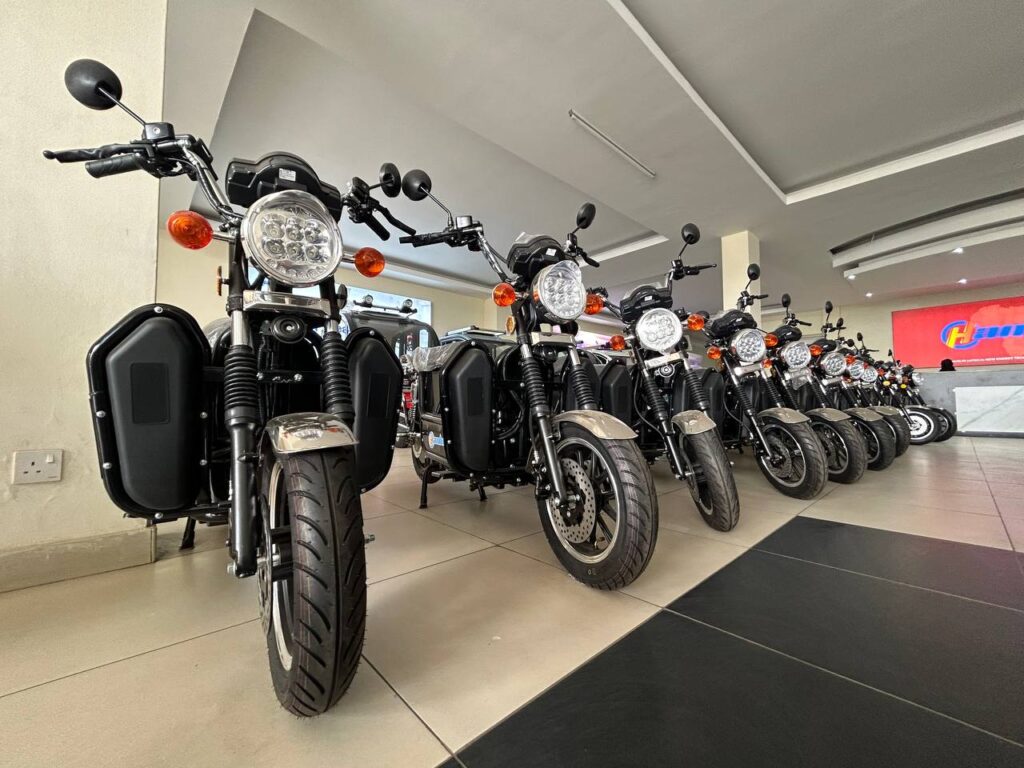
Understanding the Different Classes of Electric Bikes and Their Capabilities
Electric scooters are quickly becoming one of the most practical modes of transportation in Kenya. Rising fuel prices, urban traffic congestion, and the need for affordable mobility have pushed many commuters and businesses to explore electric alternatives.
However, one of the most common questions people ask before buying is: “How do I choose the right electric scooter for my needs?”
From my experience working with customers at Hanlin Africa, the answer depends largely on how you plan to use the electric bike, whether for daily commuting, business delivery work, or recreational riding.
Understanding the different classes of electric bikes and their capabilities can help you make a smart decision before making a purchase.
Why Most People Buy Electric Bikes & SCOOTERS
Based on our customer experience at Hanlin Africa, electric scooters are mainly purchased for three primary reasons.
1. Daily Commuting
The majority of customers who visit our showroom are seeking a reliable and affordable way to commute between home and work. Most of these commuters travel about 20 km from home to work, which means they cover approximately 40 km per day round-trip.
Since our electric scooters average around 90 km per full charge, they comfortably support daily commuting without requiring mid-day charging. For commuting purposes, the most popular models are:
These models provide the balance of range, reliability, and comfort that daily riders need when navigating Nairobi traffic.
2. Delivery and Business Use
The second largest group of customers are people who use electric scooters for business or delivery services. Many young riders in Nairobi register delivery accounts with companies such as: Glovo, Uber Eats, and other local delivery platforms
Electric scooters are also used by businesses for last-mile delivery, helping reduce operational fuel costs significantly. For delivery work, customers usually choose:
These scooters are designed to handle heavier loads and longer working hours.
3. Recreation and Family Convenience
A smaller but growing number of customers purchase electric bikes for recreational purposes or family convenience. These customers are often residents of high-end neighbourhoods in Nairobi, where public transport options like matatus are limited.
Common recreational uses include:
- Leisure rides around residential areas
- Quick errands within the neighborhood
- Taking children to and from school
- Moving around large gated communities
In this category, customers typically prefer A9 & TN. The A9 model, in particular, is attractive for recreational riders because it can reach speeds of up to 80 km/h, offering a more dynamic riding experience.
Understanding the Different Classes of Electric Bikes
Electric scooters can generally be categorised into three capability levels based on performance, speed, and intended use.
Understanding these categories can help you choose the right type of electric scooter for your lifestyle.
1. Low-Speed / Lightweight Electric Bikes
These bikes are designed for short-distance travel and light use. They are best suited for:
- Students
- Kids
- Campus transportation
- Short neighbourhood trips
- Running small errands
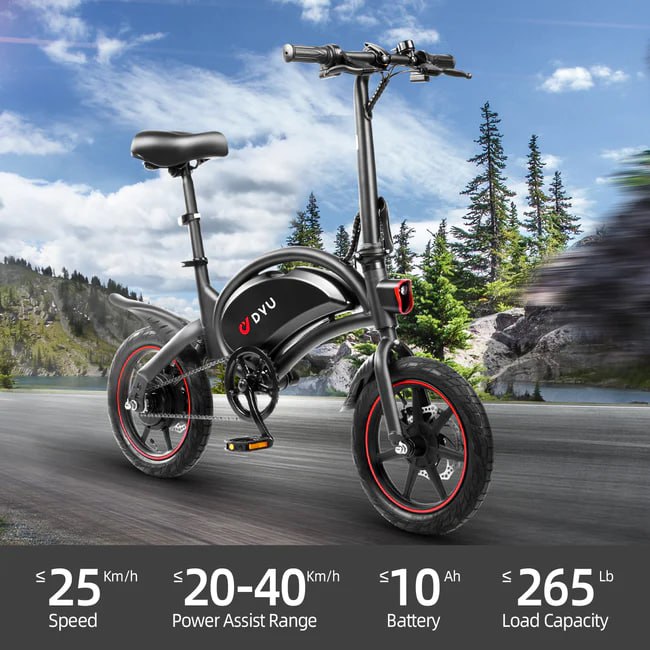
At Hanlin Africa, the DYU model falls into this category.
Key Features of the DYU Model:
- Lightweight and compact
- Easy to operate, Ideal for short trips
- Suitable for beginners and younger riders
This type of electric bike is perfect for people who need simple and convenient transportation for short distances.
2. Mid-Range Commuter Electric Scooters
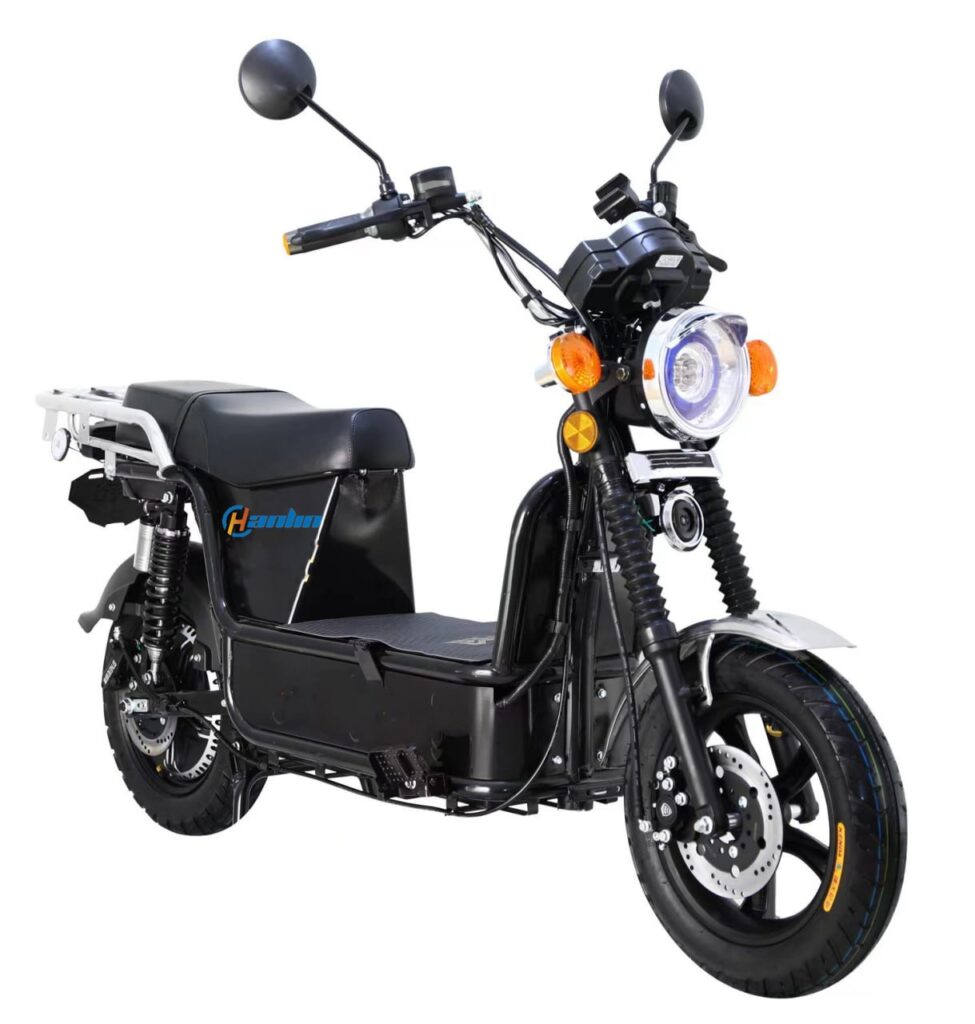
Mid-range electric scooters are designed primarily for urban commuting. These scooters provide the balance between performance, efficiency, and reliability required for daily travel. At Hanlin Africa, the ZY and TN models fall into this category.
Key Capabilities
- Suitable for daily commuting
- Reliable for city traffic
- Approximately 90 km range per charge
- Comfortable for regular use
These scooters are particularly popular among riders who commute to work every day and need a dependable transportation option.
3. High-Performance Electric Scooters
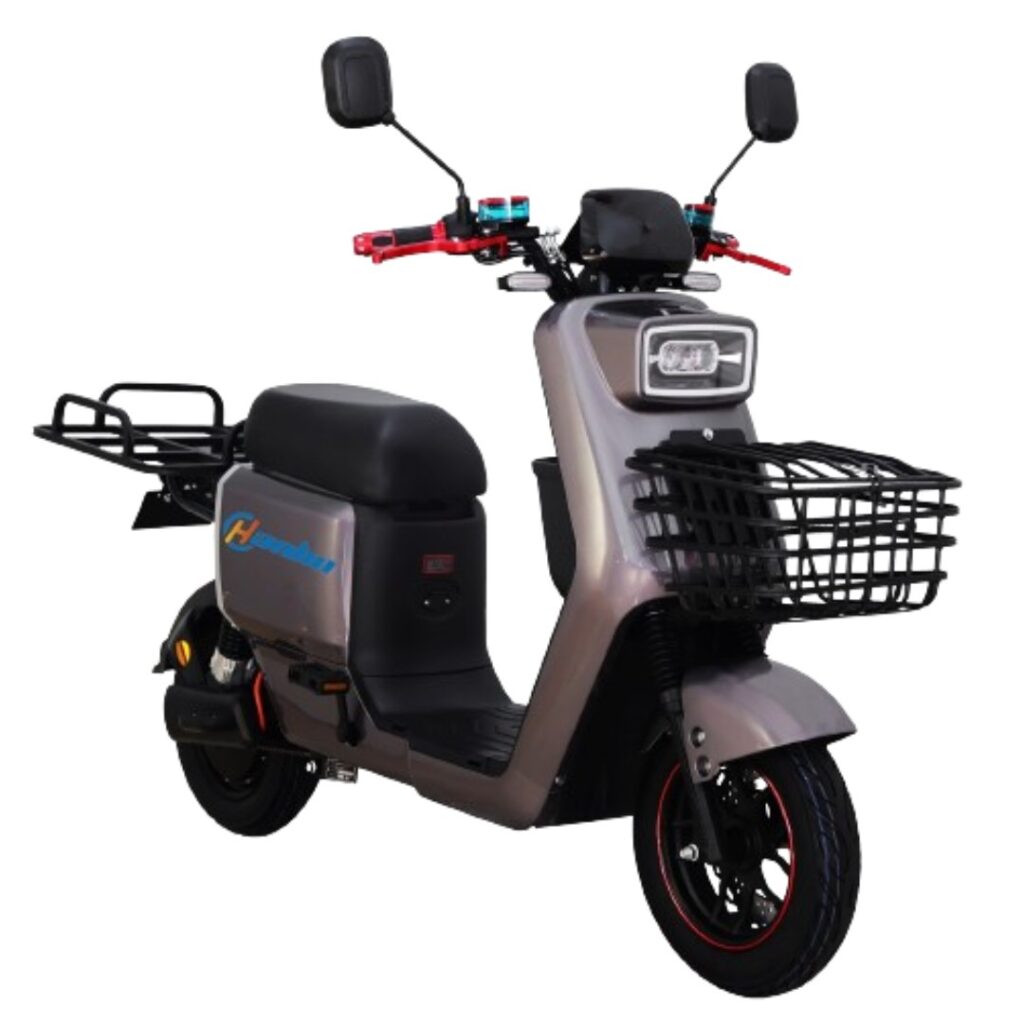
High-performance electric scooters are designed for more demanding riders, including delivery riders and people who prefer higher speeds. The A9 model fits into this category.
A9 Performance Features
- Top speed of up to 80 km/h
- Lithium-ion battery
- Removable battery for convenient charging
- Suitable for heavy delivery use
- Can carry up to 200 kg load
Because of its performance capabilities, the A9 is popular with both delivery riders and recreational riders who want more speed and flexibility.
The Most Important Factors When Choosing an Electric Bike
When helping customers choose an electric scooter, I usually advise them to focus on a few key performance factors.
1. Battery Type
The battery type is the most important factor when selecting an electric bike. Most commuters prefer lithium batteries because:
- They last longer
- They are removable
- They offer more flexible charging options
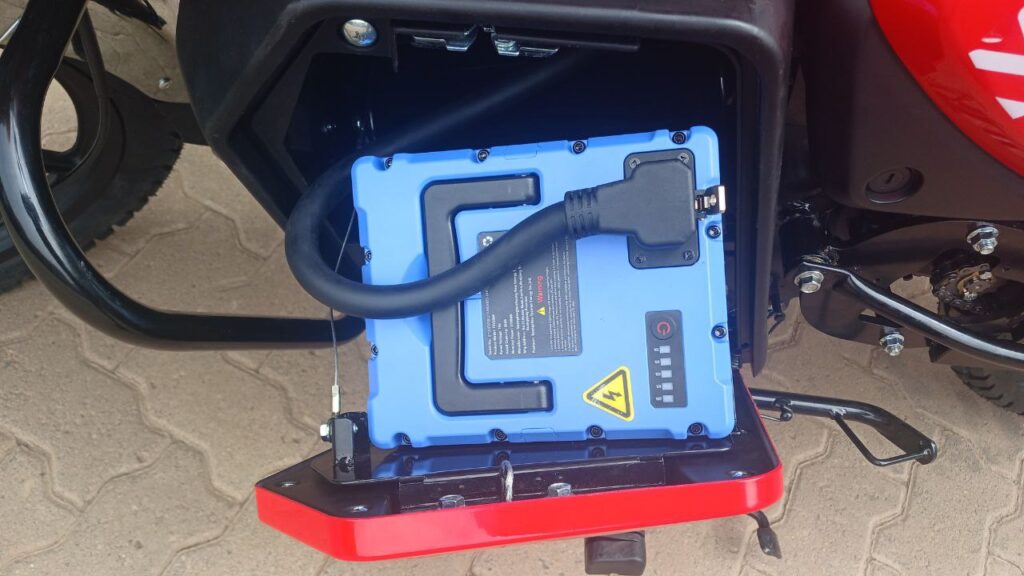
For people living in apartments or on upper floors, removable batteries are extremely convenient because they can remove the battery and charge it at home. Lead-acid batteries are typically built into the scooter, which means the scooter must be parked near a power socket to charge.
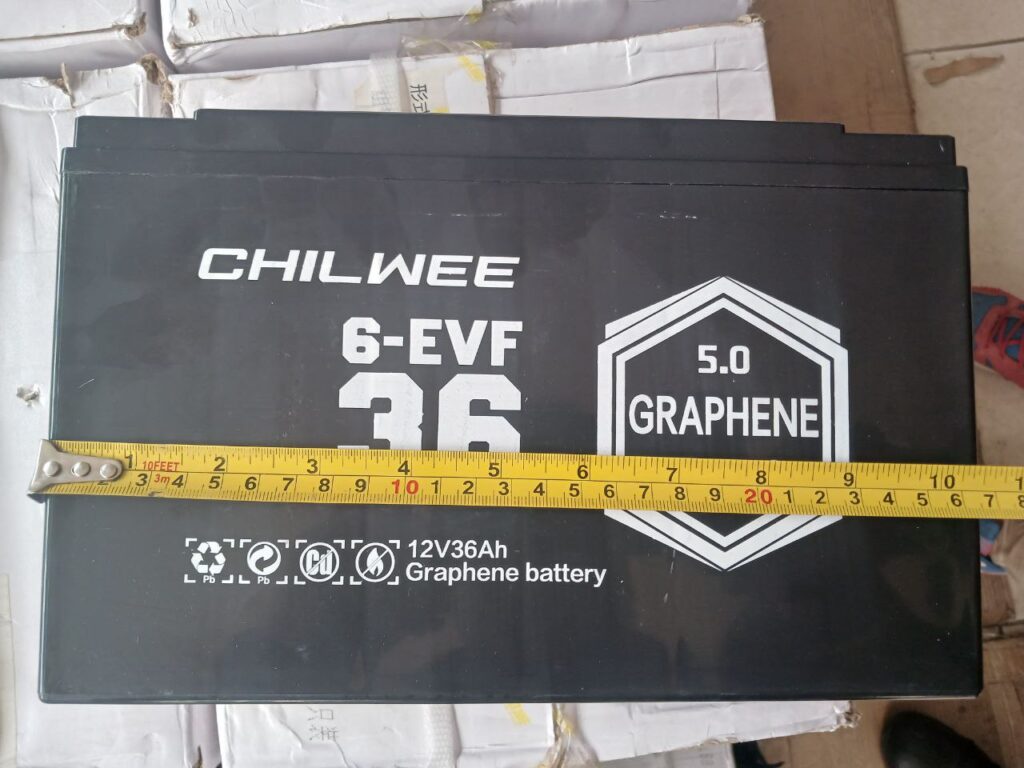
2. Range Per Charge
Range determines how far you can travel before needing to recharge. Most Hanlin scooters can travel about 90 km on a full charge, which comfortably supports the daily commuting distances of most riders in Nairobi.
3. Load Capacity
Load capacity becomes important for riders who:
- Carry passengers
- Do delivery work
- Transport goods
Some scooters, such as the TN and A9, can carry up to 200 kg, making them suitable for business use.
4. Top Speed
Top speed is especially important for riders who:
- Travel longer distances
- Work in delivery services
- Prefer a faster riding experience
The A9 scooter, for example, can reach speeds of up to 80 km/h.
5. Charging Time
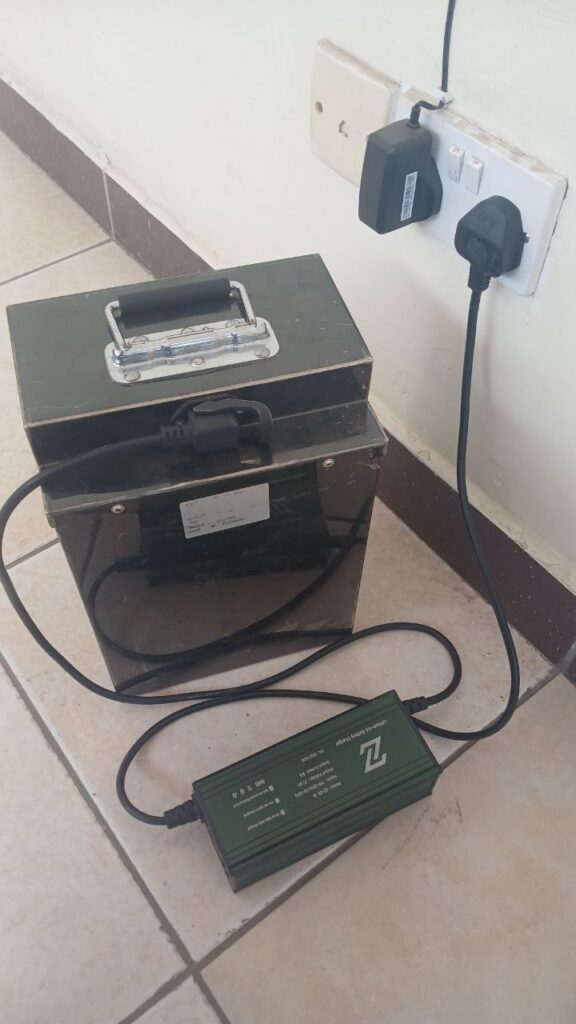
Charging time affects how quickly you can return to the road. Lithium batteries offer an advantage here because riders can purchase a second battery and swap it when needed, reducing downtime.
Common Mistakes People Make When Choosing an Electric Bike
Many first-time buyers focus on the appearance of the scooter before considering the technical factors.
The most common mistakes include:
Choosing the Wrong Battery Type: Battery type should always be the first consideration, as it affects range, charging convenience, and long-term usability.
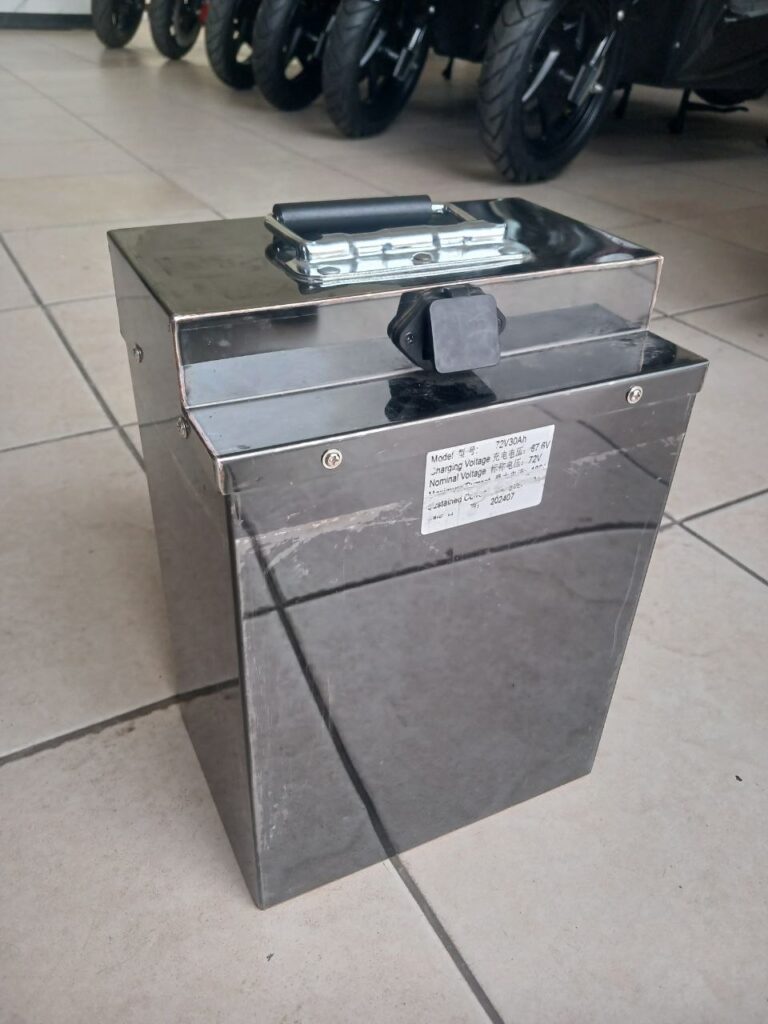
Not Considering Where the Bike Will Be Charged, the charging location is often overlooked. If you live in an apartment building without ground-floor parking access, a removable lithium battery becomes extremely important.
A Real Customer Case Study
One business owner in Nairobi purchased an electric scooter for his employee to handle daily deliveries. Initially, he chose the TN model because it could carry heavier loads of up to 200 kg. However, after using the scooter for about a week, he realised that charging downtime was limiting his delivery operations.
He later switched to the A9 model, which uses a lithium battery. With the A9, he could purchase an additional battery, allowing the rider to swap batteries and continue deliveries without waiting for charging.
Understanding his situation, we allowed him to trade in the TN scooter and upgrade to the A9 model, which ultimately solved his business problem. This case clearly shows why battery type and flexibility can make a major difference depending on how the scooter will be used.
How We Help Customers Choose the Right Electric Bike
When customers visit our showroom, we usually ask a few simple questions to guide them toward the right model.
These include:
- What will you mainly use the scooter for?
- How many kilometres do you travel per day?
- Do you live in an apartment or a house?
- Will you carry passengers or cargo?
- Do you prefer speed or convenience?
The answers to these questions quickly help us determine which scooter best fits the customer’s needs.
Commuting vs Recreation: Understanding the Difference
The needs of commuting riders and recreational riders are quite different.
Commuting Riders:
- Focus on efficiency and reliability
- Ride daily in traffic
- Need dependable range and durability
Recreational Riders:
- Focus on aesthetics and speed
- Ride occasionally
- Prefer fun, flexibility, and performance
Understanding these differences helps ensure that buyers choose a scooter that fits their lifestyle.
Expert Advice for First-Time Electric Scooter Buyers
If you are buying your first electric scooter, my advice is simple: Always choose the right battery type before even looking at the aesthetics.
You should also consider the following:
- Think about where you will charge the bike
- Match the scooter to your daily travel distance
- Test ride the scooter before making a purchase
Making the right choice from the beginning will help you get the most value from your electric bike.
Final Thoughts
Electric scooters are transforming transportation in Kenya by providing a more affordable and efficient alternative to petrol motorcycles. Whether you need a scooter for daily commuting, delivery work, or recreational riding, understanding the different classes of electric bikes and their capabilities will help you choose the right model.
By focusing on the right factors, especially battery type, range, and intended use, you can confidently select an electric bike that suits your needs and lifestyle.