
A complete guide with real prices, case studies, charging costs, maintenance, FAQs, and expert recommendations.
Electric scooters are rapidly becoming one of Kenya’s smartest transportation choices. With fuel prices rising, maintenance becoming expensive, and urban mobility evolving, more Kenyans are switching to affordable, quiet, and efficient electric bikes and scooters. This guide provides everything you need to know before you buy an electric scooter in 2026.
1. Electric Scooter Prices in Kenya
Here is a breakdown of Hanlin’s models and pricing:
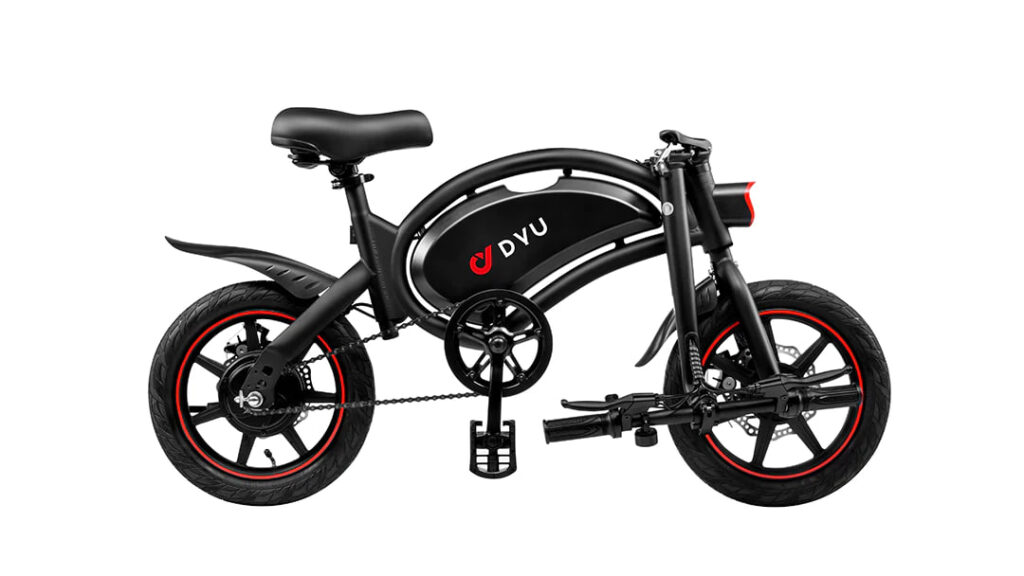
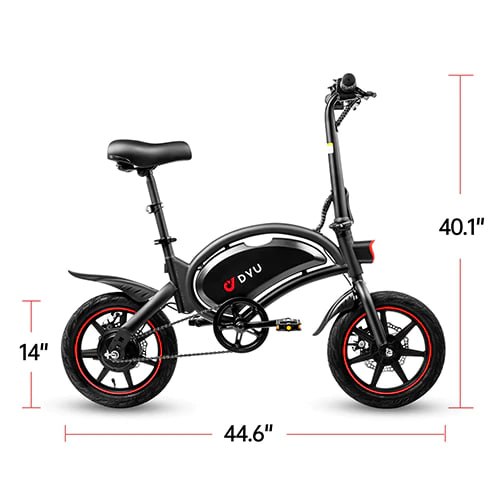
DYU Electric Bike — KSh 38,000
- Compact, lightweight, ideal for kids, students, and short-distance use.
- Up to 150 kg load capacity and 30 km range.
A9, ZY, TN Electric Scooters — KSh 150,000
- All three models share similar performance but differ in battery type, build quality, and intended use.
Cash Offer
Customers paying upfront can purchase any scooter for KSh 130,000.
2. Real Customer Purchase Experiences
DYU – The Small but Mighty Ebike
A customer intended it for their child, but realised it can carry 150 kg and run up to 30 km, so they started using it themselves for work and errands.
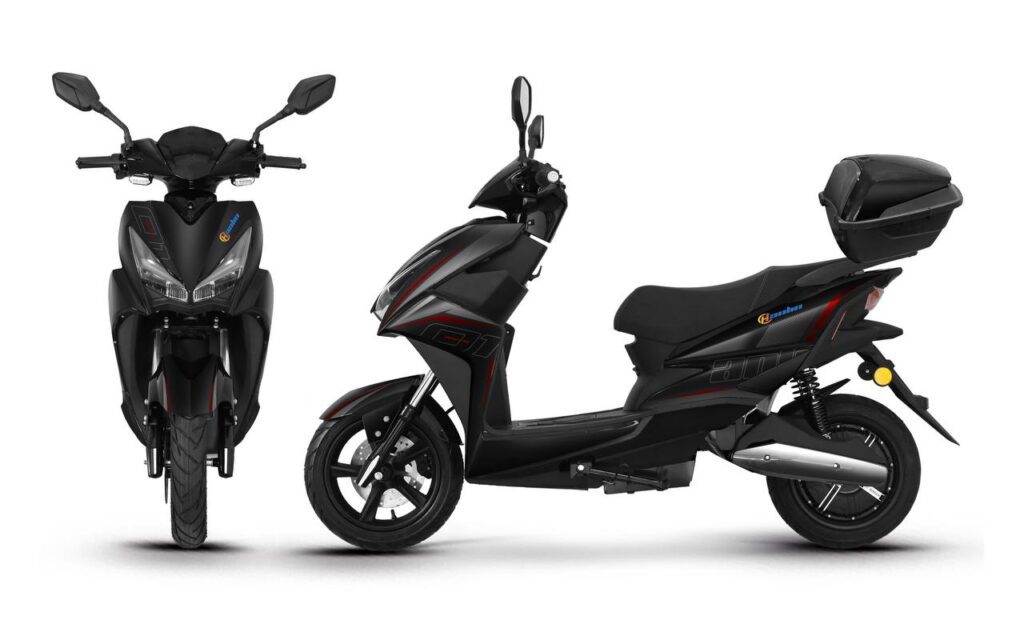
A9 – For Speed and Highway Use
The only scooter reaching 80 km/h is preferred by riders using high-traffic routes. It comes with a removable lithium battery, making charging easier for apartment residents.
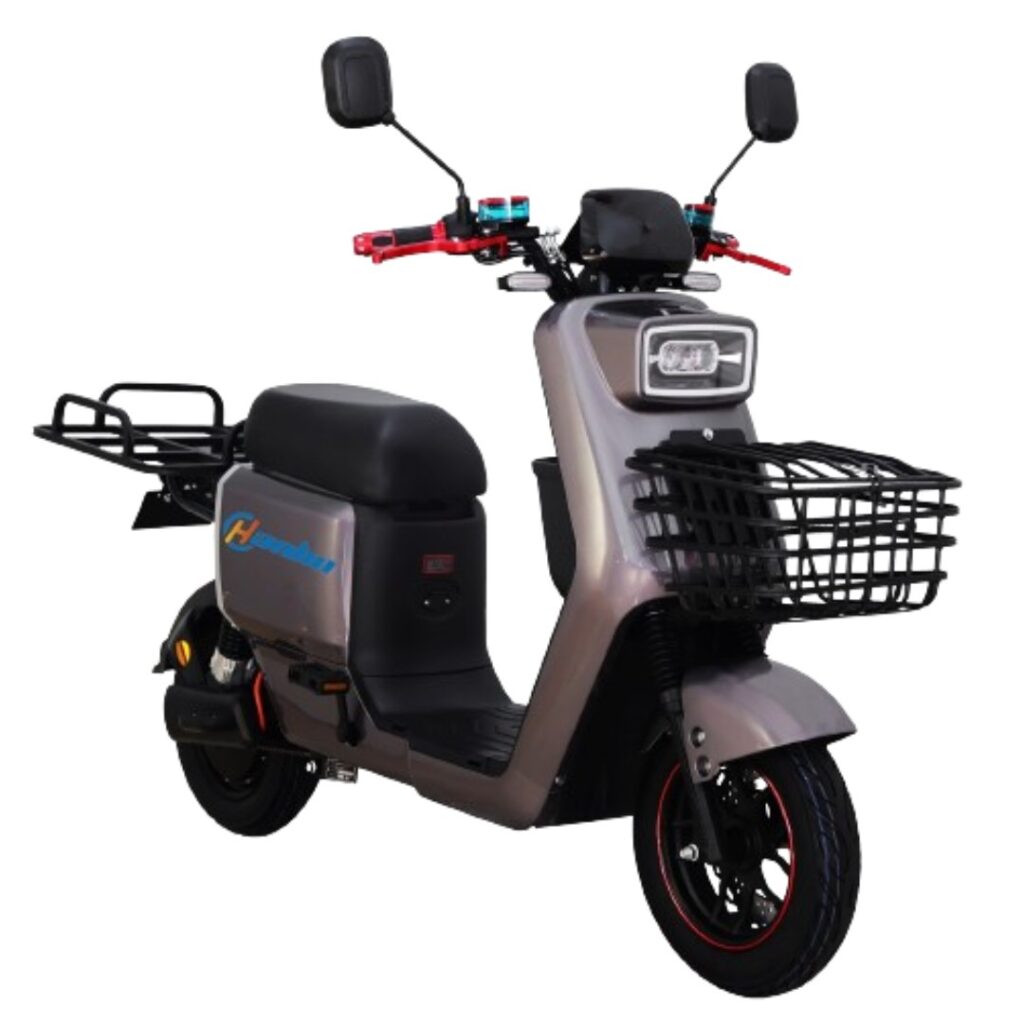
ZY – Sporty, Stylish, and Popular
Available in black and grey, it attracts walk-in buyers, especially women. Delivers 90 km per charge with a strong, modern aesthetic.
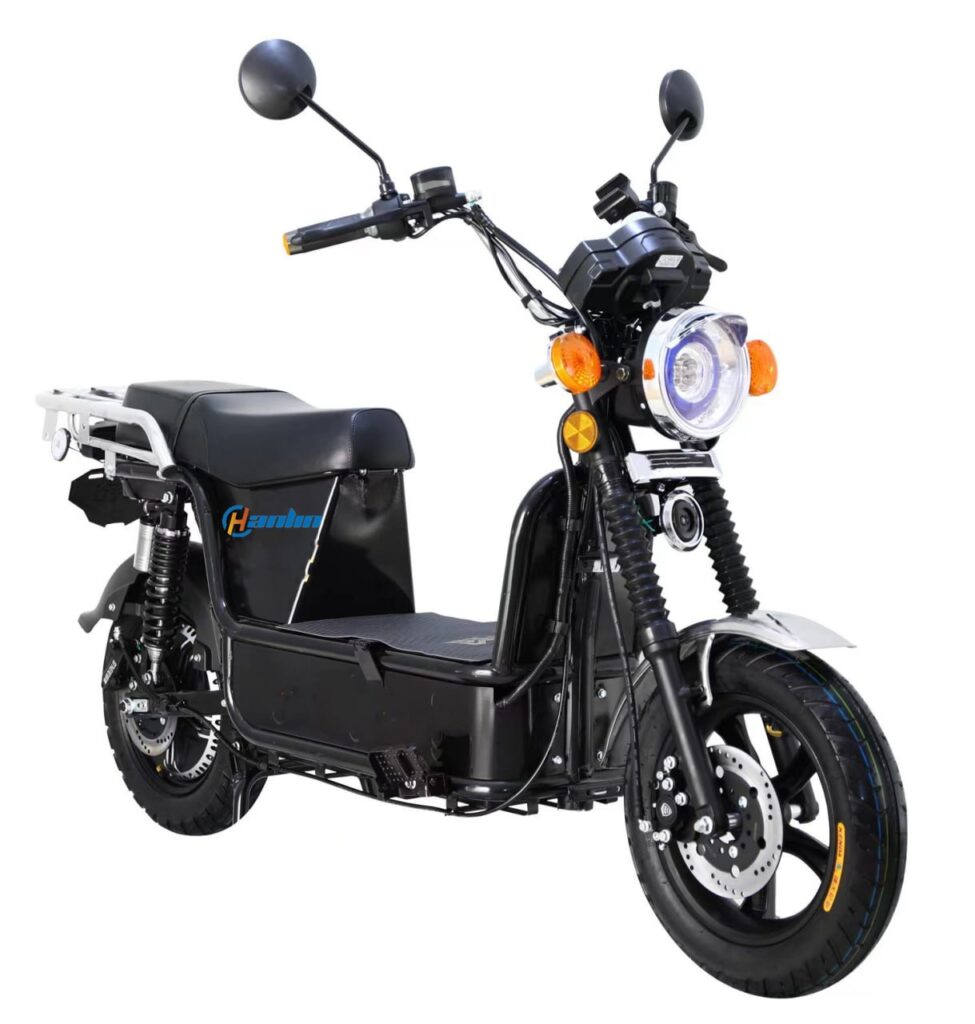
TN – Built for Delivery and Heavy Load
With a load capacity of up to 200 kg and an aluminium body, it’s the top choice for delivery riders on Glovo, Uber, Bolt, and YETU. Businesses like Cossim Limited buy it for last-mile delivery fleets.
3. Hire Purchase / Loan Options
6-Month Plan
- Price: 150,000
- Deposit: 50,000
- Loan amount: 100,000
- Interest: 0%
- Monthly instalment: 16,670 KSh
12-Month Plan
- Price: 150,000
- Deposit: 50,000
- Loan amount: 100,000
- Interest: 2% per month (24% total)
- Total payable: 124,000
- Monthly instalment: 10,335 KSh
4. How Much Does It Cost to Charge an Electric Scooter in Kenya?
Charging costs are extremely low compared to petrol costs.
To understand this clearly, let’s use a 72V, 20Ah electric scooter battery as an example.
Step 1: Convert Battery Capacity to Kilowatt-Hours (kWh)
Formula:
Battery capacity (kWh) = Voltage × Amp-hours ÷ 1000
Calculation:
72 × 20 ÷ 1000 = 1.44 kWh
Step 2: Know Kenya’s Electricity Tariffs
Electricity costs vary between KSh 25–50 per kWh, depending on the meter type and usage.
Step 3: Calculate the Charging Cost
Low Tariff (25 KSh/kWh):
1.44 × 25 = 36 KSh per full charge
High Tariff (50 KSh/kWh):
1.44 × 50 = 72 KSh per full charge
Meaning:
A full charge will cost between KSh 36 and KSh 72.
Step 4: Range Per Charge
A 72V20Ah scooter typically covers:
70–90 km per charge, depending on speed, terrain, and weight.
Final Cost Per Kilometre
- Lower tariff: 36 ÷ 80 km ≈ 0.45 KSh per km
- Higher tariff: 72 ÷ 80 km ≈ 0.90 KSh per km
Petrol bikes cost 6–8 KSh per km, making electric scooters up to 10× cheaper.
5. Real Savings Case Study (Petrol vs Electric)
Petrol Motorcycle
- 1 litre = KSh 211
- Covers 40 km
- Daily 40 km cost: KSh 211
- Monthly cost: 6,330 KSh
Electric Scooter (72V20Ah Lithium)
- Full charge: 36–72 KSh
- Monthly charging: 1,500–2,000 KSh
Monthly Savings
4,830+ KSh saved every month
Yearly Savings
~58,000 KSh saved per year
Delivery riders save even more:
KSh 10,000–13,000 per month.
6. Maintenance & Running Costs of Electric Scooters
Electric bikes require far less maintenance than petrol motorcycles.
Typical Costs
- Servicing every 4 months: KSh 1,000
- Tyre replacement: KSh 6,500 (every 2 years)
- Brake pads: every 1–1.5 years
- Lithium battery replacement: KSh 10,000–50,000 (after 4–5 years)
- Lead-acid battery set: KSh 38,000 (after 1.5–2.5 years)
Why Cheaper?
Electric bikes have no engine, no oil, no spark plugs, no gears, and fewer moving parts.
7. Battery Types Explained
Lithium-Ion (A9, DYU)
- 4–5 year lifespan
- Fast charging
- Lightweight
- Stable long-range performance
- Almost no maintenance
Lead-Acid (ZY, TN)
- 1.5–2.5 year lifespan
- Cheaper
- Strong for deliveries
- Requires periodic terminal cleaning
8. Lead-Acid Battery Maintenance Checklist
Daily
- Charge after use
- Keep above 50%
Weekly
- Inspect terminals
- Clean corrosion
- Apply grease
Monthly
- Check voltage (12.2–12.8V)
Avoid
- Deep discharging
- Overcharging
- Extreme heat
- Mixing old/new batteries
9. Common Misconceptions About Electric Bikes in Kenya
- “Electric bikes are slow.”
A9 reaches 80 km/h. - “They can’t climb hills.”
TN and ZY handle Ruaka, Ngong, Kiambu, and Waiyaki Way slopes easily. - “Batteries die in one year.”
Lithium lasts 4–5 years. - “Charging is more expensive than fuel.”
Charging costs less than 1 shilling per kilometre. - “Electric bikes have no power.”
Electric motors produce instant torque. - “You need a charging station.”
Any standard wall socket works.
10. Best Models for Different Users (Expert Picks)
- Daily commuting: ZY, A9
- Delivery work: TN, A9
- Students: ZY, DYU
- Family use: ZY, TN
- Kids: DYU
11. Warranty & After-Sales Support
- 1-year warranty covering electrical and technical faults
- Free servicing during warranty
- On-site repairs available (KSh 1,000 within Nairobi)
- All spare parts are readily available due to local assembly
12. Will Electric Scooter Prices Drop in Kenya?
Yes. Prices are expected to fall due to:
- Government plans for zero tax on EVs
- Local battery manufacturing
- Increased foreign investment
- Higher competition
- Lower import and production costs
13. Frequently Asked Questions (FAQs)
FAQ 1: Do I Need a License to Ride an Electric Bike?
- Small bikes (like DYU): No license or insurance needed.
- Bigger scooters (A9, ZY, TN): License + insurance required.
- All Hanlin scooters come pre-registered with NTSA (logbook + plates).
- Buyer only pays logbook transfer fees.
FAQ 2: Where Can I Charge My Electric Bike?
- At home, using any wall socket
- At work, using a portable charger
- A9 battery can be removed and charged indoors
- ZY and TN can be charged in parking spaces with extensions
No charging stations needed.
FAQ 3: What Maintenance Do Electric Bikes Require?
Much less than petrol bikes. Key tasks include:
- Battery checks
- Brake inspection
- Tire pressure monitoring
- Electrical component check
- Servicing every 4 months
FAQ 4: Are Spare Parts & Accessories Available?
Yes. Hanlin stocks:
- Chargers, batteries, controllers
- Tyres, brake pads, throttles
- Body parts, wiring, lights
- Delivery racks, storage boxes, helmets
Parts are always available due to local assembly.
FAQ 5: Can Electric Bikes Be Used in the Rain?
Yes, in light to moderate rain.
Avoid:
- Heavy rain
- Floods
- Deep water
Wipe the bike dry and allow components to cool before charging.
FAQ 6: What Safety Gear Should I Use?
Recommended:
- Helmet
- Gloves
- Reflective vest
- Closed-toe shoes
- Knee & elbow pads (optional)
Safety should always come first.
Conclusion
Electric scooters provide one of the most affordable, efficient, and sustainable transport solutions in Kenya today. With low charging costs, minimal maintenance, zero fuel expenses, and flexible financing options, switching to electric saves Kenyans thousands of shillings every month.
Whether you’re a commuter, delivery rider, student, or parent, there is a Hanlin model built for your needs. Looking for more options? Explore all our electric bikes and scooters available in the Hanlin Africa shop or contact us to learn more.